Corcovado Day Trip vs Overnight at Sirena: Which Should You Book?
Corcovado day trip vs overnight at Sirena is really two different trips wearing one name. A day trip gets you inside the gate for the same 7:00 am to 3:00 pm window every visitor shares; an overnight buys the hours nobody else gets, dawn and dusk on the station's own trails, at the cost of booking two separate things instead of one. I have walked in for both, and the honest answer depends less on wildlife hopes than on how much planning friction you can absorb.
Quick answer
A Corcovado day trip and a Sirena overnight are not the same product priced differently. A day trip runs to the fixed 7:00 am to 3:00 pm station hours and ends when the boat leaves; an overnight adds a separate lodging booking through the station's concession and opens up dawn and dusk on trails a day visitor never reaches. Most travelers should default to the day trip, and only add the night if a specific reason, dawn wildlife watching, extra trail time, or a slower pace, actually applies to them.
Key takeaways
- The Drake Bay day trip to Sirena runs about $110 with lunch, the cheapest way into the station; the Puerto Jiménez day runs $185 over nine hours
- Sleeping inside the park is real, but it is booked through the Sirena station lodging concession, not through the park permit alone
- An overnight buys dawn and dusk on Sirena's eight trails, about 20 km of forest a single day only samples a fraction of
- Sirena's visitor cap has changed twice in 2026, so an overnight needs more schedule flexibility than a day trip does
- A second day inside the gate means a second entrance fee, not a discount for staying over
- Sirena closes entirely in October, which rules out an overnight (and a day trip) for that month regardless of preference
The Day-Trip Routes People Compare Against an Overnight
Before weighing a night at Sirena, it helps to see what a single day actually buys. These three routes cover the departure points most readers are choosing between, drawn from the full list of full-day Corcovado tours to Sirena station.
 from $110
Best Value
from $110
Best Value Drake Bay: Corcovado National Park Sirena Station and Lunch
Day tour from Drake Bay to Corcovado National Park's legendary Sirena Ranger Station, combining a scenic boat ride along the Osa Peninsula coast with a 5-hour guided rainforest…
- Scenic boat ride along the Osa Peninsula coastline
- 5-hour guided hike in the heart of Corcovado
- Spot tapirs, peccaries, monkeys & 100+ bird species
- Lunch at the Sirena Ranger Station included
 from $185
Small Group
from $185
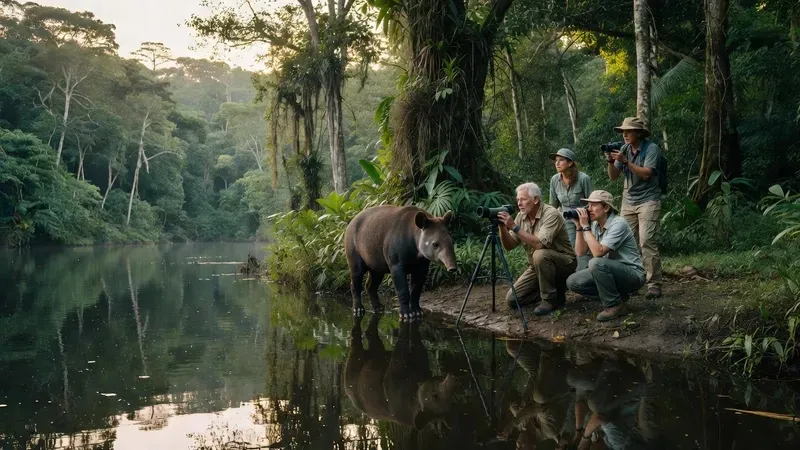
Small Group From Puerto Jimenez: Corcovado National Park Full-Day Tour
Full-day Corcovado National Park tour from Puerto Jimenez pier, departing at 5:30 am on a 1.5-hour boat ride to Sirena Station to maximise early-morning wildlife activity. Limited to…
- Max 6 guests — truly intimate wildlife experience
- Early 5:30 am departure for peak animal activity
- HD scope for photographing birds and mammals
- All 4 Central American monkey species present
 from $2,300
Private Tour
from $2,300
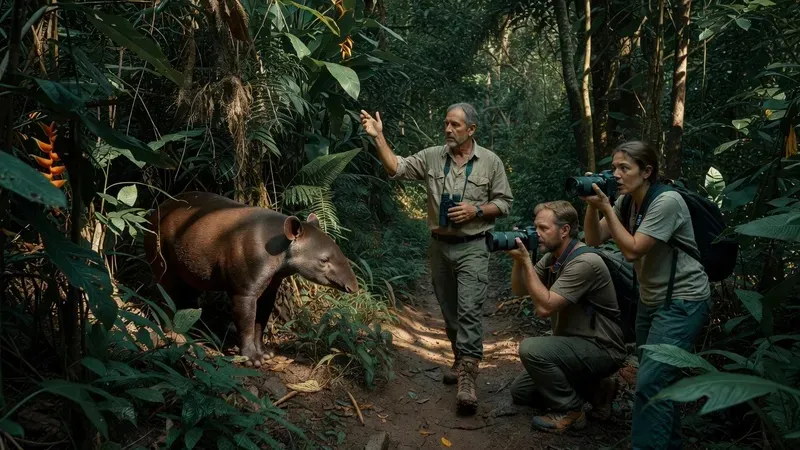
Private Tour Uvita: Private Guided Naturalist Tour in Corcovado National Park
Exclusive private naturalist tour of Corcovado National Park's San Pedrillo station for up to 4 guests, departing from Uvita with a private speedboat across the Pacific. Your certified…
- Fully private — guide, boat & park access just for your group
- Pace adapted for photography & extended wildlife stops
- Humpback whale season crossings Jan–Mar & Jul–Oct
- Coffee station + breakfast + lunch + water & fruits
One Day at Sirena vs One Night at Sirena
A Day at Sirena
- One entrance fee, one guide, one boat crossing there and back the same day
- Bound to the 7:00 am to 3:00 pm station hours shared by every visitor
- Covers the trails nearest the station in the hours when the forest is already warming and busier with people
- Books as a single tour, no second reservation, no separate lodging to arrange
A Night at Sirena
- Two separate bookings: the park permit for a second day and the ADI lodging concession for the bed and meals
- Dawn and dusk on the station's own ground, before the day boats arrive and after they leave
- A second $16.95 entrance fee for the second day, on top of the lodging cost
- Subject to Sirena's daily overnight quota, which has moved twice in 2026 and needs confirming close to your date
Verdict For most travelers, a single day trip from Drake Bay or Puerto Jiménez delivers the Sirena experience at a fraction of the planning cost. The overnight earns its extra effort for a specific kind of traveler: someone building real time into dawn wildlife hours, not someone who simply wants to say they slept inside the park.
What the Clock Does to a Day Trip
Every Corcovado sector, Sirena included, opens at 7:00 am and closes at 3:00 pm, seven days a week. That eight-hour window is the same for every visitor regardless of which tour or which departure point brought them in, and it is the single biggest structural difference between a day trip and an overnight: a day visitor's entire Sirena experience happens inside those eight hours, boat crossing included.
| Time | Day-trip visitor | Overnight guest |
|---|---|---|
| Before 7:00 am | Still in transit by boat from Drake Bay or Puerto Jiménez | Already inside the station, walking the trails before the gate technically opens |
| 7:00 am to 11:00 am | Peak trail time, but sharing the forest with every other day boat that arrived at once | Same trails, fewer people, since most day tours are still arriving |
| 11:00 am to 2:00 pm | Lunch, a shorter second trail segment, prep for the return crossing | A slower midday, often resting through the heat like the wildlife does |
| 2:00 pm to 3:00 pm | Boarding the boat back before the station closes at 3:00 pm | Watching the day boats leave, then having the station largely to themselves |
| After 3:00 pm | En route back to Drake Bay or Puerto Jiménez | Dusk on station grounds, dinner, the generator hours, an early night before dawn |
Last verified: August 2026. The arithmetic is straightforward: a day trip gets roughly four productive trail hours once the boat crossing and lunch are subtracted from the eight-hour window, while an overnight adds the two quietest, most productive wildlife windows, dawn and dusk, on top of that same day. Neither figure is a promise of what you'll see; it's simply how much time each option puts you on the ground.
Sleeping Inside the Park: How It Actually Works
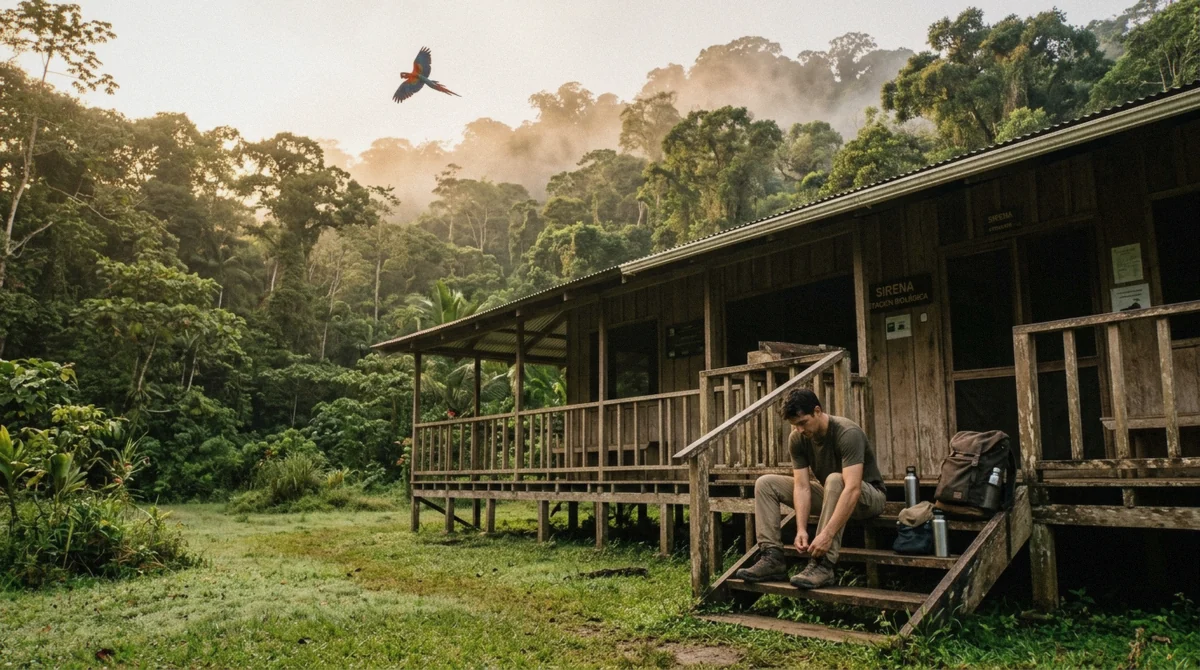
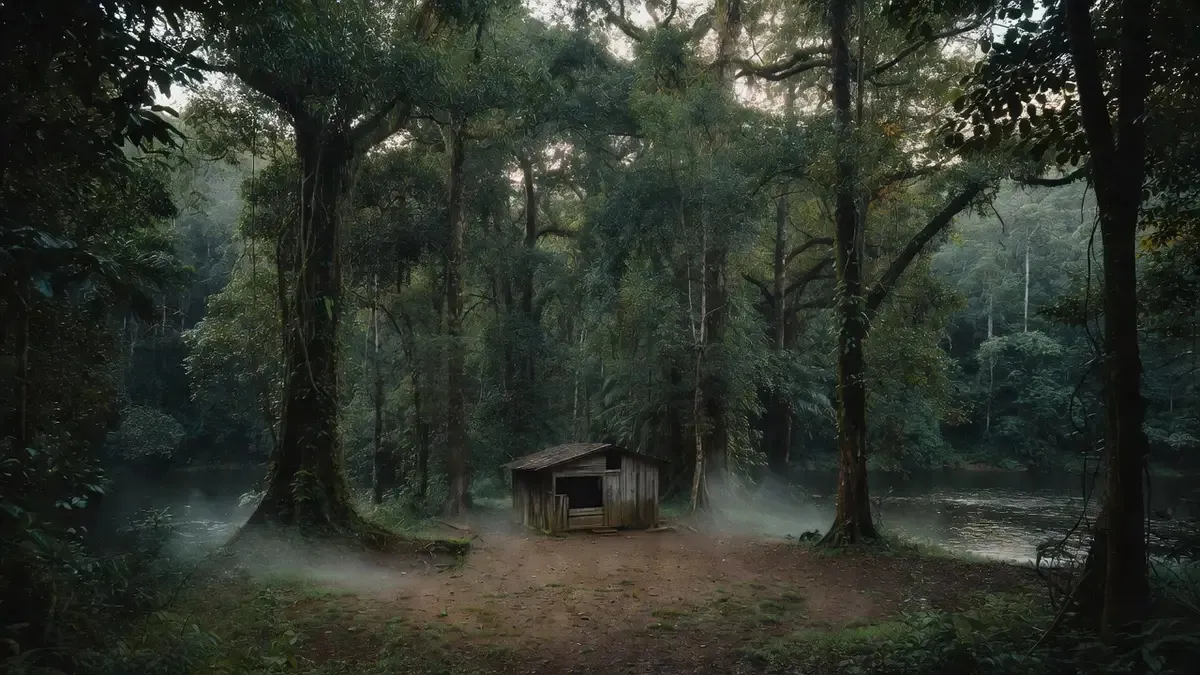
Visitors can sleep at Sirena. The station's lodging, meals, small nature shop and locker rental all run under a use permit held by the Asociación de Desarrollo Integral Corcovado-Carate, a community association known by its acronym ADI, not by SINAC directly. That distinction matters for booking: your park entry permit and your certified guide are arranged the same way as a day trip, through SINAC's reservation process and your operator, but the bed and the meals are a separate booking made with ADI at [email protected].
Do not expect to book a bunk on the same page where you book your park entry; it is a different reservation with a different office.
What you actually get once you're booked is a bunk block with a fixed number of beds, meals ordered in advance through the concession, and access to the station's toilets, showers, drinking water and lockers. I won't print a bed price or a bunk count here, because ADI's own figures are the only reliable source and they aren't published in a form I can verify to the standard this site holds itself to; confirm both directly with ADI when you book.
- Park entry and guide: booked the same way as a day trip, through SINAC and your operator
- Bed and meals: booked separately with ADI at [email protected]
- Toilets, showers, drinking water, lockers: available to overnight guests at the station
- Reservations for any Corcovado sector, day or overnight, can be made up to six months in advance and are personal and non-transferable
Sirena's own trail network gives the overnight its point: eight trails totalling about 20 km, more than a single day's window can realistically cover. Sendero Ollas, a 3 km primary-forest route good for birds, runs about five hours round trip on its own, longer than most day visitors have left after lunch and the return crossing. Sendero Río Claro, flat and 3.5 km, reaches the beach at the Río Claro mouth; Sendero Los Naranjos starts beside the Sirena airstrip and also ends at the beach.
An overnight is what actually lets you string more than one of these together in a single visit, rather than choosing just one before the boat leaves.
One safety point that does not soften for an overnight guest: Swimming is prohibited park-wide, at beaches, rivers and lagoons alike, and SINAC's own text for the Río Sirena mouth states plainly that at high tide, bull sharks and crocodiles can be seen there. An evening walk down to the river mouth is one of the appeals of staying over; it is not an invitation to wade in.
A Two-Day Sirena Itinerary, Arrival to Departure
One way to picture what an overnight actually adds, hour by hour, against the day-trip window covered above.
-
Day 1, before 7:00 am
Boat crossing
Depart Drake Bay or Puerto Jiménez early enough to reach the Sirena boundary as the gate opens at 7:00 am.
-
Day 1, 7:00 am to 11:00 am
Morning trails
Walk the busiest window of the day alongside every day-trip group that arrived at the same time you did.
-
Day 1, midday
Lunch and rest
Meals are ordered through the ADI concession in advance; midday heat makes a slow break the practical choice, not a wasted one.
-
Day 1, afternoon
The day boats leave
Watch the 3:00 pm crossing depart while you stay; the station empties out to overnight guests and staff.
-
Day 1, dusk
Evening walk
A short walk near the station grounds as the forest cools, with the safety note above still in force at any river mouth.
-
Day 2, before dawn
Dawn trail
The hour a day visitor never sees; guides look for tapir activity along the lagoon edges and forest trailheads.
-
Day 2, morning
A second, longer trail segment
With a second entrance fee already covering the day, an overnight guest can commit to a longer route like Sendero Ollas.
-
Day 2, before 3:00 pm
Return crossing
Board the boat back to Drake Bay or Puerto Jiménez before the station's daily close.
The Caps and the October Closure, Honestly
Sirena's daily visitor cap has not been a stable number in 2026, and the honest way to plan is to know that it has changed, not to treat any single figure as permanent.
| When | What changed | Why |
|---|---|---|
| June 2026 | Cap cut to 150 a day (100 day visitors plus 50 staying overnight) | The station's wastewater treatment plant failed |
| 9 July 2026 | Cap raised to 225 a day | Newly installed sanitary units allowed capacity to rise again, reported as resolution SINAC-ACOSA-D-R-071-2026 |
| Every October | Sirena closes entirely for the month | SINAC's own tariff sheet cites maintenance and the rainiest month of the year |
Last verified: August 2026. That 225-a-day figure is current as of this writing, but it followed a cut just a month earlier, and there is no guarantee it holds through your travel dates. If your trip depends on staying overnight at Sirena specifically, have your guide or operator confirm the live quota close to your booking date rather than planning around a number printed here or anywhere else months in advance.
The one fixed point in the calendar is October: the station closes for the full month regardless of any cap, so neither a day trip nor an overnight to Sirena is possible then. For the fee table itself, the child and senior rules and what the entrance fee does and does not cover, see the Corcovado entrance fee guide.
Who Should Book Which
If you have one day on the Osa Peninsula and want the simplest booking
book a day trip; the Drake Bay route is the shortest crossing and the lowest cost
If you specifically want dawn or dusk on the trails, not just a longer day
the overnight is the only way to get those hours; start the ADI lodging booking early
If your trip includes late October
plan around Sirena being closed entirely and consider San Pedrillo instead
If you are unsure whether the current overnight quota will hold for your dates
book the day trip as your confirmed plan and treat the overnight as a request your operator escalates, not a certainty
If you are traveling with a group that includes anyone uneasy about basic, shared facilities
stick to the day trip; the overnight is genuinely rustic, not a lodge experience
Frequently Asked Questions
Is an overnight stay at Sirena worth it?
It is worth it for a specific reason, dawn and dusk trail time and a slower pace, and not simply for the novelty of sleeping inside the park. Most travelers get a full Sirena experience from the Drake Bay day trip alone.
Can tourists actually sleep inside Corcovado National Park?
Yes, at Sirena station, on a quota that has moved during 2026. Lodging and meals are booked through the ADI concession, not through the park permit itself.
How do you book a bed at Sirena station?
Through the Asociación de Desarrollo Integral Corcovado-Carate at [email protected], separately from your park entry and guide, which are arranged through SINAC and your operator.
What do you actually see on an overnight that you miss on a day trip?
Dawn and dusk on Sirena's own trails, before and after the day boats arrive and leave, plus enough time to walk more than one of the station's eight trails in a single visit. See our Corcovado wildlife guide for what is realistically seen and when.
How many days do you need in Corcovado?
One day is enough for most visitors to reach Sirena and walk its nearest trails. A second day, whether as an overnight or a return day trip, is for travelers who want dawn hours or more trail distance than a single crossing allows.
What are the beds and meals at Sirena station actually like?
A shared bunk block with meals ordered in advance through the ADI concession, alongside basic toilets, showers and lockers. Exact bed counts and prices are not published in a form worth repeating here; confirm both directly with ADI when you book.
Do you pay the park entrance fee twice for an overnight stay?
Yes. The $16.95 non-resident entrance fee is charged per person per day, so a two-day overnight visit means two entrance fees, on top of the separate ADI lodging cost.