Sirena Ranger Station, Corcovado National Park
Sirena Ranger Station is the deepest point in Corcovado National Park that visitors can reach, a wooden lodge at the end of a disused airstrip where Baird's tapirs doze in the mud and all four of Costa Rica's monkey species move through the canopy in a single morning. There is no road: you arrive by boat from Drake Bay or Puerto Jimenez, always with a certified guide, because independent entry is not permitted anywhere in the park. This page covers the boat logistics, permits and daily caps, the dorm overnight, and the rules rangers enforce at the gate; the Corcovado tours that include Sirena are compared on the main page.
Quick answer
Sirena Ranger Station sits on the Pacific coast of Corcovado National Park, roughly midway down the Osa Peninsula, reachable only by boat with a certified guide. Day tours leave Drake Bay around 6:00 AM, take 1 to 1.5 hours by sea, and give you 4 to 5 hours on the mostly flat trails around the station before returning early afternoon. Operators quote a cap of around 120 day visitors, plus about 80 overnight beds in the station dorm, so tickets sell out in dry season. Fees are quoted in US dollars and are included in tour prices, checked August 2026.
Key takeaways
- Certified guide mandatory: rangers will not admit independent visitors, and bags are checked for outside food and single-use plastic bottles at the entry point
- The two Drake Bay boat tours to Sirena on this site run $110 per person, about 55,000 colones at the roughly 500 colones per dollar rate of August 2026, with lunch and park fees included
- Sirena is the only station deep in the park's core; San Pedrillo, La Leona, Los Patos and El Tigre all sit on the edges
- It is the most reliable place in Costa Rica to see a Baird's tapir and the only park where howler, spider, capuchin and squirrel monkeys share one forest
- Staying the night in the station dorm is the wildlife jackpot; the best months to go run December through April
Day Tours That Reach Sirena Station
Every visit to Sirena runs through a licensed operator, so the real question is which departure point suits you: two Drake Bay boats at $110 or a small-group option from Puerto Jimenez at $185, all with certified naturalist guide, boat, lunch and park entrance included.
 from $110
Best Value
from $110
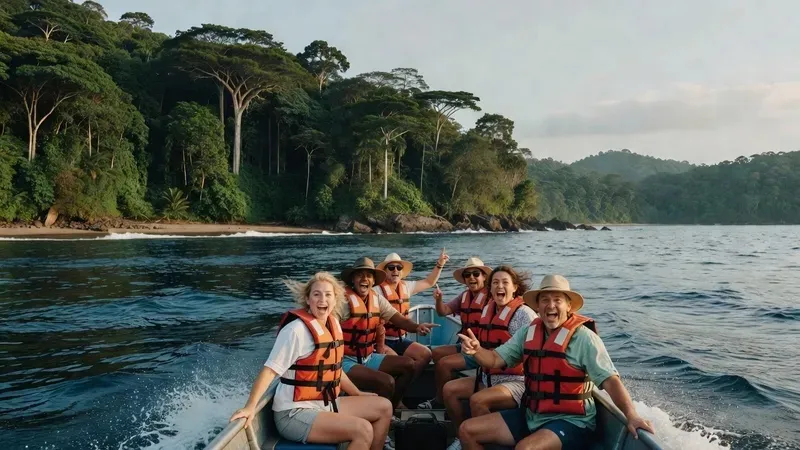
Best Value Drake Bay: Corcovado National Park Sirena Station and Lunch
Day tour from Drake Bay to Corcovado National Park's legendary Sirena Ranger Station, combining a scenic boat ride along the Osa Peninsula coast with a 5-hour guided rainforest…
- Scenic boat ride along the Osa Peninsula coastline
- 5-hour guided hike in the heart of Corcovado
- Spot tapirs, peccaries, monkeys & 100+ bird species
- Lunch at the Sirena Ranger Station included
 from $157
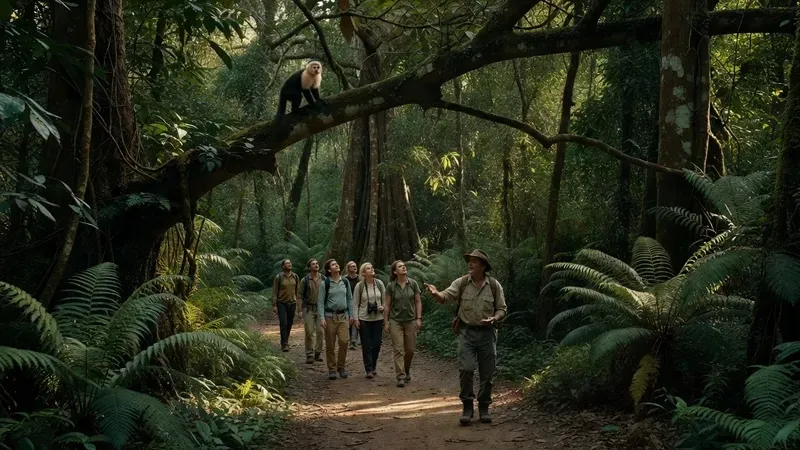
Drake Bay: Corcovado National Park and Sirena Station Tour
Small-group day tour from Drake Bay to Corcovado National Park's Sirena Station — home to all four Central American monkey species: howler, spider, capuchin, and squirrel monkeys. A…
- Only park in Central America with all 4 monkey species
- Small group — max 10 participants
- ICT-certified naturalist guide + hotel pickup on coast
- 5-hour guided rainforest hike at Sirena Station
 from $185
Small Group
from $185
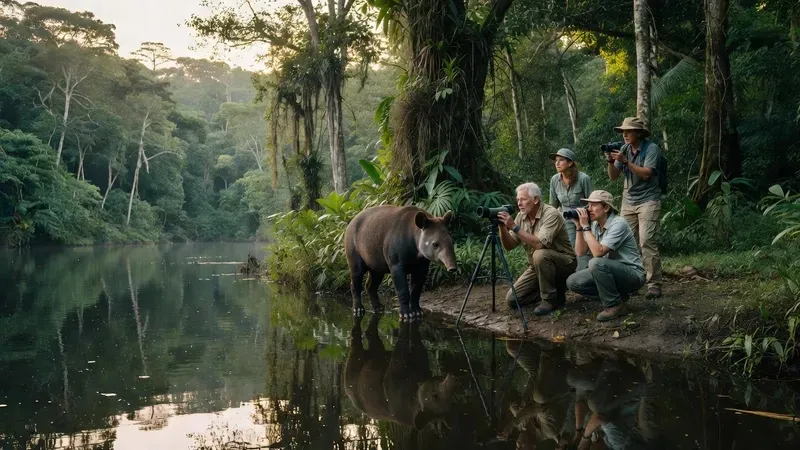
Small Group From Puerto Jimenez: Corcovado National Park Full-Day Tour
Full-day Corcovado National Park tour from Puerto Jimenez pier, departing at 5:30 am on a 1.5-hour boat ride to Sirena Station to maximise early-morning wildlife activity. Limited to…
- Max 6 guests — truly intimate wildlife experience
- Early 5:30 am departure for peak animal activity
- HD scope for photographing birds and mammals
- All 4 Central American monkey species present
What Sirena Ranger Station Is
A Working Ranger Post, Not a Hotel
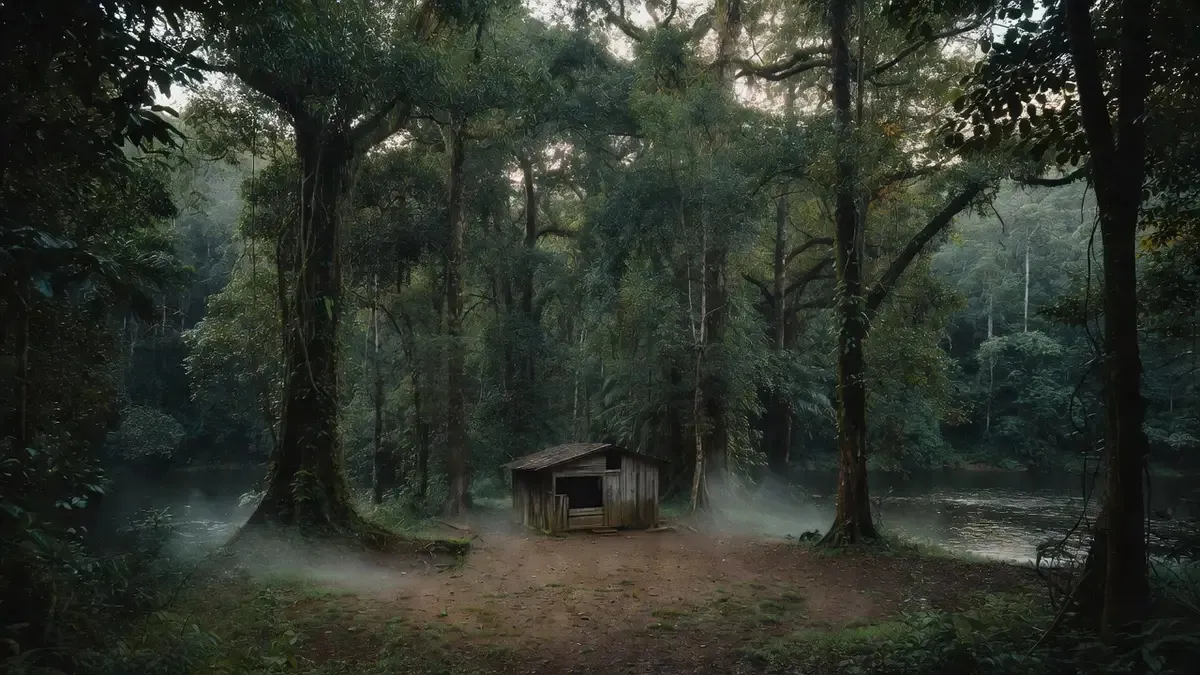
Sirena is one of five active ranger stations in Corcovado National Park, alongside San Pedrillo, La Leona, Los Patos and El Tigre, and the only one that sits in the park's core rather than on its perimeter. The station itself is a cluster of stilted wooden buildings joined by covered walkways: a check-in desk, a communal dining hall, open-air dorm rooms, bathrooms, and a small store selling snacks. SINAC, Costa Rica's national park service, runs it as a working post: shoes come off before you climb onto the veranda, lights go out at 8:00 PM sharp, and the rhythm follows the rangers, not the guests.
Expect a school-camp bunkhouse in the middle of the most biologically intense place on Earth, National Geographic's phrase for Corcovado, rather than an eco-lodge.
Sirena Ranger Station Quick Facts
Figures below are drawn from operator listings and SINAC's own trail data, checked August 2026. Park fees are quoted in US dollars and are bundled into every tour price listed on this site.
| Detail | Sirena Ranger Station |
|---|---|
| Location | Pacific coast of Corcovado National Park, Osa Peninsula |
| Access | Boat from Drake Bay or Puerto Jimenez, certified guide required |
| Boat time from Drake Bay | 1 to 1.5 hours depending on sea conditions |
| Boat time from Puerto Jimenez | About 1.5 hours |
| Day tour price from Drake Bay | $110 to $165 per person depending on operator |
| Daily visitors | Around 120 day visitors, about 80 overnight beds |
| Trails | 8 local trails, about 20 km / 12.4 miles total |
| Terrain | Mostly flat, some stream crossings |
| Overnight package | Roughly $300 to $450 with boat, guide, meals and dorm bed |
Why the Park Built Its Main Station Here
Corcovado protects 42,570 hectares of the Osa Peninsula, about 164 square miles, plus a further 5,375 hectares of sea, and the counts published for it run to 375 birds, 124 mammals, 71 reptiles and 46 amphibians. Sirena sits where two rivers, the Rio Sirena and the Rio Claro, meet the Pacific within a couple of kilometres of each other. Rivers, beach, swamp and primary forest overlap here, which concentrates animals the way a waterhole does on a savanna.
That geography, not the buildings, is why the wildlife around Sirena outclasses every other corner of the park.
Why Sirena Is the Wildlife Jackpot
Baird's Tapirs, Almost on Schedule
The Baird's tapir is Central America's largest land mammal, a 250-kilogram browser that most Costa Rican parks treat as a near-mythical sighting. At Sirena, guides find them resting in muddy wallows near the rivers often enough that many day groups see one, and overnight visitors regularly see two or three. They favour soggy ground, so sightings actually improve after rain.
All Four Costa Rican Monkey Species
Corcovado is the only national park in Costa Rica where all four of the country's monkey species share one forest: mantled howler, Geoffroy's spider monkey, white-faced capuchin, and the little Central American squirrel monkey, the hardest of the four to find elsewhere. Around Sirena it is realistic to tick all four between the boat landing and lunch, and the capuchins here forage naturally instead of raiding backpacks the way habituated troops do in busier parks.
The Supporting Cast
Beyond the headliners, day groups routinely encounter collared peccaries, agoutis, coatis, two-toed and three-toed sloths, anteaters, caimans sunning on riverbanks, and American crocodiles in the Rio Sirena. Birders log scarlet macaws, black-mandibled toucans, crested guans, great tinamous and two species found only in this corner of the country, the yellow-billed cotinga and the black-cheeked ant-tanager. Jaguars and pumas both live here; sightings are rare, but guides point out fresh jaguar tracks pressed into the beach sand often enough to prove the cats are around.
Herds of white-lipped peccaries, larger and testier than their collared cousins, announce themselves with a sour smell and clicking teeth; your guide will move the group calmly around them.
Getting to Sirena: Boats, Not Roads
From Drake Bay, the Standard Route
Almost every day visitor comes from Drake Bay. Groups meet on the main beach near the river mouth around 6:00 AM, wade out to open boats that hold roughly 15 to 20 passengers, and run south along the Osa Peninsula coastline past empty coves and the waterfall near San Pedrillo. Operators quote the crossing at anywhere from a little over 1 hour to 1.5 hours; the difference is sea state, not distance.
Dolphins escort boats regularly, and in humpback season the crossing doubles as a whale-watching run. The full day-trip playbook from this side is in our Drake Bay day tour guide.
From Puerto Jimenez and Via Sierpe
From Puerto Jimenez, on the gulf side of the peninsula, boats leave the pier around 5:30 AM and take about 1.5 hours to round the tip of the Osa to Sirena. Tours from this side cost more, roughly $160 to $185 per person, because the boat run is longer; the trade-off on the small-group Puerto Jimenez tour is a cap of 6 guests and an early start timed for peak animal activity. There is no scheduled passenger boat from Sierpe directly to Sirena: Sierpe is where the mangrove boat to Drake Bay begins, so travellers ride about 1.5 hours down the Sierpe River to Drake Bay, overnight there, and join a Sirena tour at dawn.
Full routing notes are in the Puerto Jimenez tour guide.
The Wet Landing and the Walk In
There is no dock at Sirena. The captain turns the boat and backs it onto Playa Sirena for a wet landing, so you step off into shallow surf; wear strapped sandals or water shoes and carry your hiking shoes dry. Depending on the tide you may cross a band of rough coral on the beach.
From the sand it is a few hundred metres through forest to the official entry point, where rangers check your reservation and inspect bags, then about another 1 km, roughly 0.6 miles, to the station at the end of the old airstrip. Guides treat that walk as the first hike of the day; groups spot spider monkeys, squirrel monkeys and sometimes tapirs before reaching the veranda.
Can You Hike In Instead?
Technically yes, and almost nobody should. The coastal trail south from Drake Bay passes San Pedrillo and continues across sun-exposed beaches and tide-dependent river mouths where crocodiles, and at high tide the occasional bull shark, patrol the Rio Sirena. The overland route from La Leona on the Carate side is a similar full-day slog in heat that regularly passes 32 degrees Celsius.
Both still require a certified guide and a park reservation, so hiking in saves no money and adds real risk.
Permits, Daily Caps and the Guide Rule
The Certified Guide Requirement
Entry to Corcovado National Park is only permitted with a licensed local guide, and at Sirena the rule is enforced at a physical check-in desk, not just on paper. In practice you cannot buy a park ticket and walk in: your operator reserves your entry with SINAC, matched to your guide. It is a restriction worth embracing.
The ICT-certified guides from Drake Bay and Puerto Jimenez carry telescopes, read tracks and smells you would walk straight past, and share sightings with each other on the trails.
How Many People Get In Each Day
Sources disagree on the exact numbers, which is itself useful to know. The Drake Bay lodge Aguila de Osa quotes a limit of 120 people per day at Sirena, while overnight capacity is usually described as about 80 beds; other operators simply say space sells out. Either way, in dry season, December through April, day slots and dorm beds are gone days or weeks ahead.
Book the tour first and build the rest of your Osa itinerary around the date it confirms.
Tickets and Where the Money Goes
There is no counter selling walk-up tickets at Sirena; SINAC entry is booked through operators alongside the guide and boat. Park fees are quoted in US dollars, and every tour compared on this site includes the entrance fee in its price, checked August 2026. Some local agencies, Corcovado Info Center in Drake Bay among them, take a deposit of $30 per person, about 15,000 colones, specifically to lock in the park entrance before you pay the balance in town the day before departure.
If a price looks unusually cheap, confirm the park fee is inside it.
What a Sirena Day Trip Costs
Prices by Departure Point
Prices below are per person and include guide, boat, lunch and park entrance unless noted. Colon figures use the roughly 500 colones per US dollar rate of August 2026; on the ground everything at Sirena is priced in dollars.
| Option | Price | Notes |
|---|---|---|
| Drake Bay day tour (this site) | $110 / about 55,000 colones | 8 hours, 5-hour guided hike, lunch at the station |
| Drake Bay day tour (typical local range) | $120 to $165 / about 60,000 to 82,500 colones | Aguila de Osa lists $165 plus tax, minimum 4 people |
| Puerto Jimenez small-group day tour | $185 / about 92,500 colones | Max 6 guests, 5:30 AM departure, hotel pickup |
| Overnight package | $300 to $450 / about 150,000 to 225,000 colones | Boat, guide, dorm bed, all meals, roughly 2 days of hikes |
| Snacks at the station store | From $1 / about 500 colones | Cash; cookies and drinks, nothing substantial |
A Day Trip, Hour by Hour
The Standard Rhythm
Day tours follow a rhythm the whole beach in Drake Bay runs on. Understanding it helps you pick a spot in the schedule rather than fight it: the earlier hikes get the cooler forest and the more active animals, and the early afternoon boat beats the worst of the sea breeze.
| Time | What Happens |
|---|---|
| 5:45 AM | Meet on the main beach in Drake Bay, wade aboard |
| 6:00 to 7:30 AM | Boat south along the coast; dolphins common, whales in season |
| 7:30 AM | Wet landing on Playa Sirena, change into hiking shoes |
| 8:00 AM | Ranger check-in, bag inspection, then the slow 1 km walk in |
| 8:30 AM to 12:00 PM | Guided loops on the station trails, telescope stops throughout |
| 12:00 PM | Lunch at the station dining hall, refill water bottles |
| 12:30 to 1:00 PM | Walk back to the beach, spotting continues |
| 1:00 to 2:30 PM | Boat back, land on the Drake Bay beach mid-afternoon |
How Much Ground You Cover
Expect 4 to 5 hours of walking at a naturalist's pace: a kilometre can take an hour when a troop of squirrel monkeys crosses overhead. The day-trip trails are mostly flat with a few stream crossings, manageable for anyone in ordinary health and for children of about 6 and up, the minimum age most operators suggest. Total distance rarely exceeds 6 to 8 km.
Overnight at Sirena Station
The Dorm, the Meals, the 8 PM Lights-Out
Overnight guests sleep at the station itself, in large open-air dorm rooms lined with bunk beds, around 40 bunks per room, each wrapped in tight mosquito netting. Bathrooms are shared, cleaned frequently, and the showers are cold. Meals are the sleeper hit: buffet-style Costa Rican cooking served in the dining hall, heaped plates of rice, beans, salad and fried chicken at lunch, gallo pinto with eggs and plantain at breakfast, cake appearing at dinner.
Towels are not provided, so pack one. Lights go out at 8:00 PM, which sounds strict until you have hiked since dawn and are asleep by 7:30 anyway.
Why the Overnight Sees More
The overnight advantage is arithmetic. Day trippers walk the trails from roughly 8:30 AM to 12:30 PM, the warmest and quietest slice of the forest's day. Overnight guests hike at 5:30 AM, when howler monkeys have already been roaring for an hour and tapirs are still out, then again in late afternoon as the forest switches shifts, then once more the next dawn.
Two days at Sirena commonly produce tapirs at close range, all four monkey species, anteaters, sloths and fresh jaguar tracks on the beach. There is no camping option for visitors; the dorm is the only way to spend a night inside the park.
The Trail Network Around the Station
Eight Trails, Twenty Kilometres
SINAC lists 8 local trails totalling about 20 km, 12.4 miles, radiating from the station into river forest, secondary growth, primary forest and beach. Guides choose the day's loops based on overnight sightings, tide and season rather than a fixed circuit, so two visits rarely walk the same route. The primary forest sections hold trees hundreds of years old with strangler figs and vines as thick as branches; the river mouths are where the drama concentrates.
Rio Claro and Rio Sirena
The two rivers frame the station and could not treat swimmers more differently. The Rio Claro, south of the station, has a clear freshwater pool where guides allow a supervised swim on hot afternoons, one of the day's genuine pleasures. The Rio Sirena, the larger river north of the station, is strictly for looking: American crocodiles live in it year-round and bull sharks ride the high tide into the lower river.
Your guide decides if, where and when anyone gets wet. Follow that call without negotiation.
Best Time to Visit Sirena
Dry Season Versus Green Season
December through April is dry season: calmer seas for the crossing, drier trails, and the heaviest competition for the limited daily slots. May through November is the green season, wettest in September and October, when afternoon downpours are near-daily but mornings are often clear, boats and dorms are easier to book, and tapir sightings hold up because the animals love the mud the rain leaves behind. Sirena sits in one of the wettest regions of Costa Rica, so pack rain protection in any month.
The month-by-month breakdown lives in our best time to visit Corcovado guide; whale watchers should note the humpback windows of December to April and July to November.
Time of Day Matters More Than Month
Whatever the season, the forest runs on the same clock: peak activity from first light until mid-morning, a long quiet siesta through midday heat, a second shift in late afternoon. This is why every Sirena departure leaves at dawn and why the 5:30 AM Puerto Jimenez start and the overnight's pre-breakfast hike consistently outperform the midday hours for sightings.
What to Bring and What Rangers Check
The Bag Inspection
At the entry point rangers open bags and enforce two rules that surprise unprepared visitors: no outside food and no single-use plastics, including disposable water bottles. Meals are handled by your operator, day tours include lunch at the station, and overnight packages include all meals, so arrange dietary needs in advance and eat your last trail bar on the boat. Bring a reusable bottle; drinking water is available at the check-in point and the station.
Packing List for a Day Trip
Keep it light; you carry everything you bring on every trail. The full checklist, including the overnight additions, is in our Corcovado packing list.
- Strapped sandals or water shoes for the wet landing, plus hiking shoes carried dry
- Reusable water bottle, at least 1 litre; single-use bottles are confiscated
- Lightweight long pants; visitors in shorts have picked up ticks on these trails
- Rain jacket or poncho in any month, and a light layer for the cold dawn boat ride
- Insect repellent, sunscreen and a hat for the beach and airstrip sections
- Swimsuit and small towel for the Rio Claro pool, towels are not provided at the station
- Camera and binoculars; guides carry a telescope but a second pair of binoculars never sits idle
- Small US dollar or colon cash for the station store and guide tips
Overnight Extras
Add a headlamp for the pre-dawn starts, a book for the hour between dinner and the 8:00 PM lights-out, a towel, flip-flops for the shower, and a dry bag to keep spare clothes safe through the wet landing. Leave main luggage at your Drake Bay accommodation; boats and lockers at the station handle a small overnight bag comfortably.
Sirena or San Pedrillo?
Choosing Between Corcovado's Two Boat-Access Stations
The other station most visitors consider is San Pedrillo, on the park's northern edge, the standard Corcovado stop for boats from Uvita and the shorter run from Drake Bay. San Pedrillo pairs its forest loop with a waterfall trail and suits travellers based north of the Osa; Sirena trades the waterfall for the core-of-the-park forest and the strongest tapir odds in the country. If wildlife density is the trip's purpose, choose Sirena and accept the longer boat.
If you are coming from Uvita, the San Pedrillo day trips at $170 to $185 cover that side well, and travellers wanting the park to themselves can compare the private Corcovado charters. The full station-by-station comparison sits on the Corcovado tours homepage.
Where Sirena Ranger Station Is
Sirena Ranger Station sits on the Pacific coast of Corcovado National Park at approximately 8.4790, -83.5920, about 20 km south of Drake Bay by sea. The pins show the station and the Drake Bay beach where day-tour boats load at dawn.
Sirena Ranger Station: Frequently Asked Questions
How do I get to the Sirena Ranger Station in Corcovado National Park?
By boat, with a certified guide; there is no road. Most visitors take a 1 to 1.5 hour boat from the main beach in Drake Bay departing around 6:00 AM, and the Drake Bay Sirena day tour at $110 is the cheapest certified route we track. Boats also run from Puerto Jimenez in about 1.5 hours. Hiking in along the coast is possible in theory but tide-dependent and not worth the risk for almost anyone.
What tours are available at Sirena Ranger Station?
Day tours from Drake Bay ($110 to $165 per person) and Puerto Jimenez (around $160 to $185), all including guide, boat, lunch and park entrance, plus overnight packages of roughly $300 to $450 that add a dorm bed and all meals at the station. The small-group Puerto Jimenez departure caps at 6 guests. The complete comparison of Corcovado tours, including the San Pedrillo alternatives, is on our homepage.
Can you visit Sirena Ranger Station without a guide?
No. Corcovado National Park admits visitors only with a licensed local guide, and at Sirena rangers verify the reservation and inspect bags at a physical check-in point before anyone reaches the station. The rule works in your favour: certified guides carry telescopes, track animals by sound and smell, and routinely find tapirs and squirrel monkeys that unguided walkers would never spot.
How much does it cost to visit Sirena Ranger Station?
Budget $110 to $185 per person for a day trip depending on departure point and group size, park fees and lunch included, checked August 2026. That is roughly 55,000 to 92,500 colones, though everything at Sirena is priced in US dollars. Overnight packages run about $300 to $450 with boat, guide, dorm bed and all meals.
Can you stay overnight at Sirena Ranger Station?
Yes. The station has open-air dorm rooms with mosquito-netted bunks, shared cold showers, and buffet meals in a communal dining hall; capacity is about 80 people, lights out at 8:00 PM. Overnight guests hike at dawn and dusk when the forest is busiest, which is why two-day visitors so often see multiple tapirs and all four monkey species.
Is there camping at Sirena Ranger Station?
No. Visitor camping at Sirena has been discontinued; the dorm beds at the station are the only overnight option inside Corcovado National Park. If you want a night in the park, book an overnight package with dorm lodging well ahead, especially for December through April.
Are there jaguars in Corcovado National Park?
Yes, Corcovado holds one of Costa Rica's healthiest jaguar populations, along with pumas. Both cats are mostly nocturnal and sightings are genuinely rare even at Sirena, but guides regularly point out fresh jaguar tracks pressed into the sand of Playa Sirena. Treat a track as the realistic prize and a sighting as a lottery win.
What animals will I actually see at Sirena?
A typical guided day produces several monkey species, often all four, plus peccaries, coatis, agoutis, scarlet macaws, toucans and a caiman or crocodile; Baird's tapirs turn up for a large share of groups, especially after rain. No operator can promise a specific animal; the honest Corcovado wildlife rundown covers realistic odds species by species.
What is the most visited national park in Costa Rica?
Manuel Antonio, on the central Pacific coast, takes that title by a wide margin; Corcovado sees a fraction of its numbers because of the guide requirement, boat-only access and daily caps at stations like Sirena. That trade is the point: convenience with crowds there, a capped handful of visitors inside 42,570 hectares of lowland rainforest here.
Is the Sirena hike difficult?
No. The trails used on day trips are mostly flat with a few stream crossings, walked at a slow naturalist's pace of 4 to 5 hours with frequent telescope stops, and operators suggest ages about 6 and up. The real challenges are heat that can pass 32 degrees Celsius with heavy humidity, the wet boat landing, and rain in any month, all of which the packing list above handles.
Sirena rewards commitment. It asks for a dawn start, a wet landing, a bag inspection and a guide at your shoulder, and it pays all of that back within the first hour on the trails. Book the boat early, take the overnight if your itinerary can bend that far, and let the guide set the pace.
Nowhere else in Costa Rica stacks the odds of tapirs, four monkey species and fresh jaguar tracks into a single day the way the forest around this one wooden station does.