San Pedrillo Station, Corcovado National Park — Waterfall, Wildlife, and How to Visit
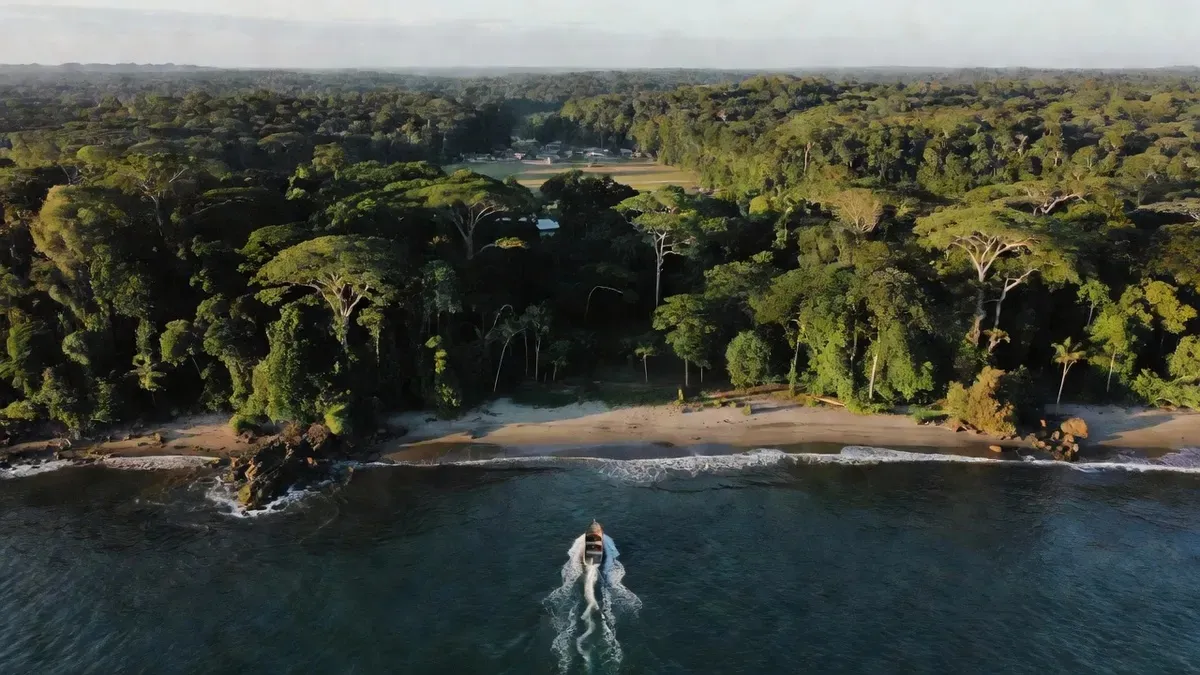
San Pedrillo is Corcovado National Park's northernmost ranger station, sitting on the Pacific coast where the Osa Peninsula's primary rainforest meets a black-sand beach. It's the entry point for tours from Uvita and the station that combines everything that makes Corcovado unique — old-growth forest trails, the famous San Pedrillo waterfall, a beach where scarlet macaws nest in the coastal trees, and a 90-minute boat crossing from Uvita that passes through prime humpback whale territory. While Sirena Station draws visitors for its legendary interior wildlife density, San Pedrillo has its own distinct character — a coastal-forest hybrid where the Pacific is visible through the tree line, where the hiking is slightly shorter and cooler than the interior, and where the 25-metre San Pedrillo waterfall is one of the most dramatic natural features in the entire park. This guide covers the station, the trails, what wildlife to expect, and how to book the top-rated tour from Uvita.
San Pedrillo Station — Key Facts
25-metre cascade dropping into a clear freshwater pool — accessible from the main trail
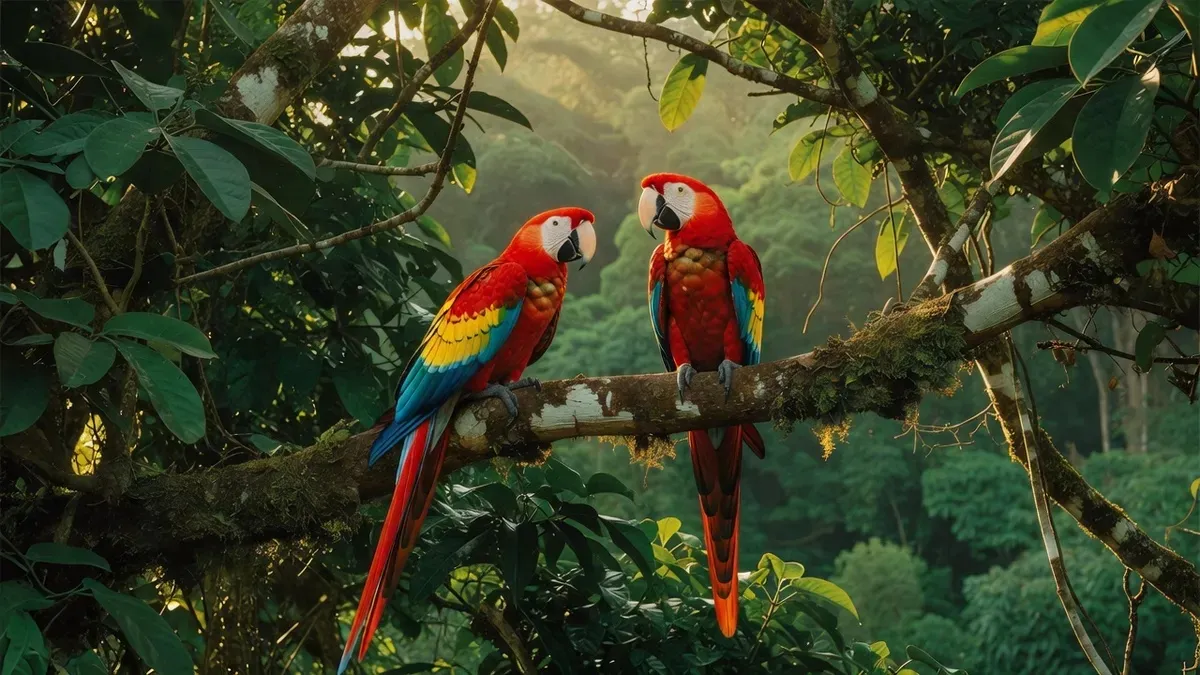
Coastal ceibo trees at San Pedrillo are key nesting habitat — sightings near-guaranteed
90-minute Pacific crossing from Uvita through prime humpback territory
Boat + 4-hour guided hike + lunch — full day
Cancel up to 24 hours before — full refund
Top-rated Corcovado tour on GetYourGuide — highest review count from Uvita
Book the Uvita to San Pedrillo Tour
The top-rated Corcovado tour from Uvita — San Pedrillo Station, waterfall, scarlet macaws, and the whale-watching Pacific crossing, all-inclusive at $185. Free cancellation up to 24 hours before.
What to See at San Pedrillo Station
The San Pedrillo Waterfall
The San Pedrillo waterfall is the most photographed feature inside Corcovado National Park — a 25-metre cascade falling from the forested hillside into a freshwater pool at the base. The trail to the waterfall from the ranger station takes approximately 20–30 minutes through primary forest, crossing the San Pedrillo river twice on wooden footbridges.
The pool at the base of the falls is clean, clear, and popular with both wildlife and visitors — though swimming is only permitted when the water level allows and park conditions are safe (your guide will advise). The waterfall is at its most powerful and dramatic during and just after the rainy season (May through November), when rainfall fills the drainage and the cascade becomes a roaring curtain of white water.
- Trail to waterfall: approximately 20–30 minutes from San Pedrillo station
- Height: 25 metres — one of the tallest accessible waterfalls inside Corcovado
- Swimming: permitted when conditions allow — guide advises on water level and safety
- Best time: rainy season for maximum flow; dry season for clearer water and easier trail
Scarlet Macaws and Coastal Forest Birds
San Pedrillo has one of the highest concentrations of scarlet macaw nesting pairs in the park. The coastal ceibo trees — giant emergent trees that tower above the forest edge — are primary nesting sites for macaw pairs that return year after year. On a morning tour, macaws are typically seen flying between nesting trees and feeding areas in pairs and small flocks, their long tail feathers streaming red and yellow against the sky.
The open coastal forest at San Pedrillo allows better bird sightings than the dense interior at Sirena — birds are visible in the mid-canopy as well as the upper canopy, and the light near the beach edge is better for photography than deep forest conditions.
- Scarlet macaws: nesting pairs present year-round, most active in the dry season (Dec–Apr)
- Other highlights: toucans, hummingbirds (16 species in the park), trogons, motmots
- Birding advantage: open coastal forest gives better visibility than dense interior forest
- Photography: morning light from the Pacific side illuminates birds on the eastern tree faces
Forest Wildlife on the San Pedrillo Trails
All four monkey species are present in the San Pedrillo area — howler monkeys are heard from the beach before the guide even starts the hike. Spider monkeys use the coastal emergent trees as highways between forest sections. Capuchins are commonly seen at mid-canopy and occasionally come to the ground at the station edge.
Baird's tapirs, while less frequently seen at San Pedrillo than at Sirena's lagoon, are present — particularly on early-morning departures. Coatis forage openly near the station. White-nosed coatis, agouti, and collared peccaries are common on the main trails, often seen crossing between feeding areas.
- Monkey species: all four present — howlers especially loud and visible near the beach
- Tapirs: present but less reliably seen than at Sirena — early morning departures improve odds
- Coatis: frequently seen near the station and on the main trails
- Reptiles: iguanas, basilisks, and vine snakes in the coastal vegetation near the station
The Boat Crossing from Uvita — Whale Watching Included
Pacific Crossing Through Whale Territory
The 90-minute boat crossing from Uvita to San Pedrillo passes through the open Pacific waters of the Marino Ballena Marine Park — the same waters where humpback whales from both hemispheres come to calve. This overlap between a Corcovado day tour and a de-facto whale-watching excursion is unique to the Uvita entry point — neither Drake Bay nor Puerto Jimenez tours pass through comparable whale territory.
Humpback whale sightings on the Uvita crossing are possible from December through April, when whales arrive from the North Pacific, and from July through November, when they arrive from Antarctic waters in larger numbers. Bottlenose dolphins are present year-round and frequently ride the bow wave. Sea turtles cross the boat route seasonally.
- Whale season 1: December to April — Northern Hemisphere humpbacks
- Whale season 2: July to November — Southern Hemisphere humpbacks (peak numbers)
- Dolphins: year-round bottlenose dolphins — bow-riding common on the Uvita crossing
- Sea turtles: olive ridley and green sea turtles visible crossing the route
Uvita vs. Drake Bay — Which Is Better for San Pedrillo?
San Pedrillo Station is only accessible from Uvita by day tour — Drake Bay tours typically access Sirena Station, not San Pedrillo. Browse Corcovado tours to San Pedrillo from Uvita and compare the two Uvita options side by side. If your goal is to visit San Pedrillo with the waterfall and the Uvita whale-watching crossing, Uvita is the only practical option for a day tour.
For those who want the alternative — the interior wildlife density of Sirena Station — the Drake Bay or Puerto Jimenez tours are the routes. The two stations are distinct destinations within the same park, accessed from different entry points. See our Corcovado tour from Drake Bay guide and tour from Uvita guide for the full comparison.
Important Things to Know Before You Visit San Pedrillo
Who the San Pedrillo Tour Is For
The San Pedrillo tour from Uvita is ideal for travellers based on the central Pacific coast (Uvita, Dominical, Quepos, Manuel Antonio) who want Corcovado without a long transit to Drake Bay or Puerto Jimenez. Families with children aged 8 and older will find San Pedrillo's 4-hour hike more manageable than the 5-hour Sirena hike. Wildlife photographers benefit from the better light conditions at the coastal forest edge.
- Not suitable for: guests who cannot walk 4 hours on natural forest trails
- Not suitable for: children under 8 — boat crossing and hike duration are demanding
- Not suitable for: guests with severe sea sickness — 90-minute open Pacific crossing each way
- Ideal for: central coast-based travellers, families with older children, marine wildlife enthusiasts
What to Bring to San Pedrillo
Pack for a combination of Pacific boat crossing and primary forest hiking — both require specific items that differ from inland jungle tours.
- Waterproof hiking shoes or rubber boots — sandals not permitted inside Corcovado
- Dry bag for electronics — 90-minute Pacific crossing means significant salt spray
- Mineral sunscreen only — chemical sunscreen prohibited inside the park
- DEET insect repellent — bring from home, especially important near the waterfall pool
- Light rain jacket — coastal weather can change quickly; afternoon showers common
- Binoculars — the open coastal forest rewards scanning the mid-canopy and beach edge
- Reusable water bottle — beverages included but a personal bottle is useful on the trail
What Is Not Allowed at San Pedrillo
The same conservation rules that apply across all of Corcovado National Park apply at San Pedrillo — enforced at the station entrance and throughout the hike.
- Not allowed: single-use plastics — no bottles, bags, or packaging inside the park
- Not allowed: chemical sunscreen — mineral only (zinc oxide or titanium dioxide)
- Not allowed: touching or approaching wildlife, feeding animals of any kind
- Not allowed: drones, weapons, alcohol, tobacco, or pets
- Not allowed: swimming at the waterfall without guide clearance on conditions
San Pedrillo Station — Frequently Asked Questions
Is San Pedrillo better than Sirena for wildlife?
Sirena Station has higher interior wildlife density — particularly for Baird's tapirs and the full range of lowland forest species. San Pedrillo has advantages in coastal wildlife (scarlet macaw nesting, shorebirds), the waterfall, and the marine wildlife on the Uvita boat crossing. For first-time visitors to Corcovado, San Pedrillo is more accessible from the central Pacific coast and offers a broader range of environments in a single day.
Can you swim at the San Pedrillo waterfall?
Swimming at the San Pedrillo waterfall pool is sometimes permitted depending on water level and safety conditions. Your guide will advise on the day. In the rainy season, the waterfall can be too high and the current too strong for safe swimming. In the dry season, when water levels are lower, the pool is more accessible. Always follow the guide's instruction — safety considerations override the desire to swim.
How long is the hike at San Pedrillo on a day tour?
Guided day tours at San Pedrillo typically cover 4–6 km over 4 hours, including the waterfall trail and the main forest circuit. The trails are flat and well-maintained, with some rocky sections near the waterfall. The pace is slow — wildlife-watching pace, with frequent stops for animal observations and the guide's scope. This is less demanding than the 5-hour Sirena hike.
What is the best season to visit San Pedrillo?
San Pedrillo is rewarding year-round. The dry season (December–April) has the best trail conditions and clearer water at the waterfall pool. The rainy season (May–November) has a more dramatic waterfall and combines with the July to November humpback whale window on the Uvita crossing. See our full best time to visit Corcovado guide for month-by-month details.
Is there more than one Uvita tour to San Pedrillo?
There are two GetYourGuide tours departing from Uvita to Corcovado: the top-rated San Pedrillo full-day tour at $185 (this post), and a separate day trip by boat at $170. Both reach the San Pedrillo area, but the $185 tour is top-rated with 302 reviews, includes the spotting telescope, and has the guide's full attention for the longer hike. The $170 option covers a 2–3 hour hike rather than a full 4-hour hike.