Sirena Station, Corcovado National Park — Wildlife, Trails, and How to Visit
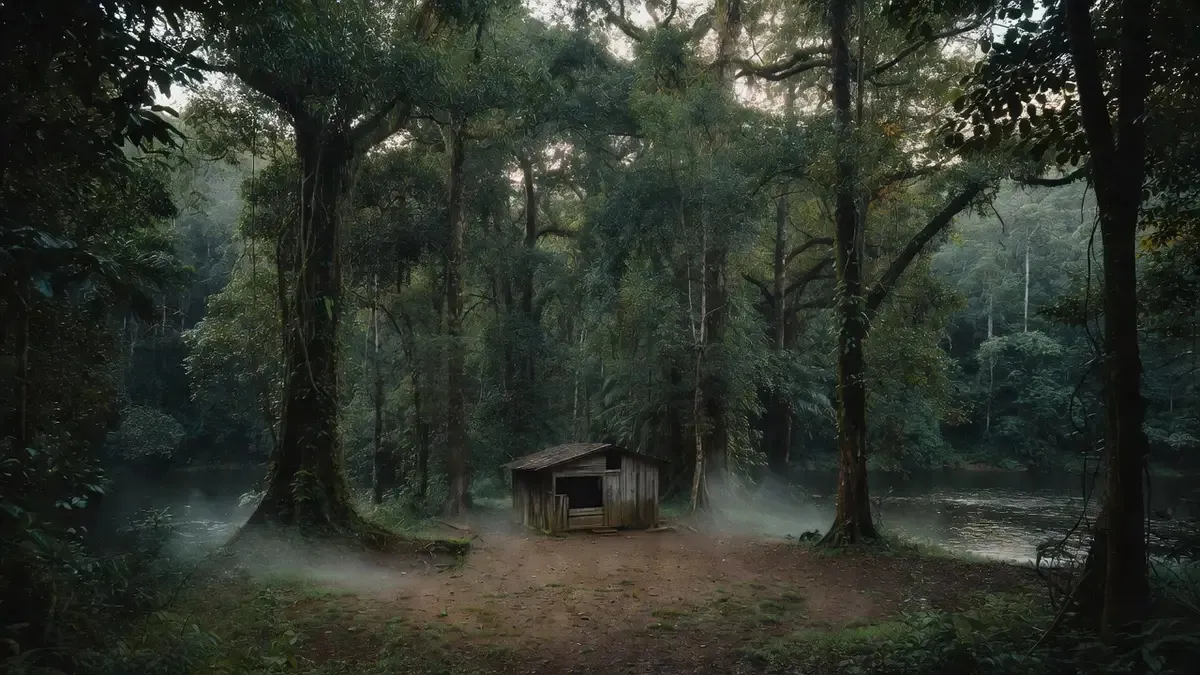
Sirena Ranger Station is the biological heart of Corcovado National Park — a research station surrounded on three sides by primary rainforest and open to the Pacific on its western face. It sits at the convergence of four major ecosystems: lowland rainforest, freshwater lagoons, mangrove swamp, and Pacific coastline. This overlap is why wildlife density at Sirena is higher than almost anywhere else on Earth — animals from every habitat come to the water and the forest edge here, and the trails record sightings that would take weeks to accumulate elsewhere. Sirena is accessible only by boat or on foot — there are no roads. From Drake Bay, the boat crossing takes 30–45 minutes along the Osa Peninsula coast. From Puerto Jimenez, the crossing takes 90 minutes. Once at Sirena, there is no exit except the way you came — the trails are one-way into the forest and back, and the only human infrastructure is the ranger station itself, with basic facilities, a small dormitory for overnight guests, and a beach where the boat lands. This guide covers the trails, wildlife, facilities, and how to plan a visit — whether as a day tour or an overnight stay.
Visiting Sirena Station — Key Facts
Interior Corcovado — accessible only by boat or multi-day trail
Highest wildlife concentration in Central America at this single point
30–45 minutes by speedboat along the Osa Peninsula coast
Strictly enforced by SINAC — book in advance or miss your date
Basic bunk accommodation at Sirena for research and extended stays
Small-group Drake Bay tour to Sirena, max 10 guests
Book the Drake Bay to Sirena Tour
This Drake Bay departure reaches Sirena Station with a small group (max 10) and 5 hours on the main trail network. Non-refundable — confirm your Drake Bay accommodation dates before booking.
The Sirena Trail Network
Los Patos Trail — Main Forest Route
The Los Patos trail is the primary hiking route at Sirena, following the edge of the freshwater lagoon system before entering deep primary rainforest. This trail has the highest tapir encounter frequency in the park — the lagoon edge is where Baird's tapirs feed in the early morning hours, often emerging from the tree line to drink at dawn.
The trail runs for approximately 4 km as a loop from the station before joining the longer Sirena–Los Patos trail that connects to the park's interior (for multi-day hikers). On a day tour, guides use the first 4 km of this trail, which takes 2–2.5 hours at a wildlife-watching pace.
- Length (day tour section): approximately 4 km loop from Sirena station
- Duration: 2–2.5 hours at wildlife-watching pace
- Highlights: lagoon edge (tapirs, crocodiles, coatis), primary forest (all monkey species)
- Difficulty: flat and well-maintained — moderate due to length and humidity
La Leona Beach Trail
The La Leona trail follows Corcovado's Pacific coastline south from Sirena — a completely different experience from the forest trails. The beach walk passes between the jungle edge and the ocean, with scarlet macaws flying overhead and shorebirds feeding at the tide line. Loggerhead and leatherback sea turtles nest on this beach section between August and October.
This trail connects Sirena to the La Leona ranger station (16 km, 5–6 hours one-way) and is the route for multi-day hikers traversing the park. On a day tour, guides often use the first 2 km of the beach section as a return route, providing a different environment from the forest hike.
- Day tour use: first 1–2 km as an alternative return route from Sirena beach
- Turtles: loggerhead and leatherback nest from August to October on the Sirena coast
- Birds: shorebirds, frigatebirds, and coastal raptors on the beach section
- Difficulty: flat beach walking — hot and exposed at midday, much better in the morning
Sirena Lagoon Perimeter
The freshwater lagoon adjacent to Sirena station is one of the most wildlife-productive locations in the entire park. American crocodiles — adults up to 3 metres — bask on the banks and move through the water throughout the day. Coatis forage at the water's edge in groups of 10–20. Herons, kingfishers, and wading birds work the shallow edges. Caimans and river otters are spotted in the early morning.
Guides typically walk the lagoon perimeter as a dedicated segment of the morning hike — a slow, observation-focused circuit of approximately 30–40 minutes.
- Crocodiles: reliably present on the bank — wild adults up to 3 metres
- Coatis: forage in groups at the lagoon edge — unafraid of guides and guests
- Caimans: smaller than crocodiles, similar habitat — spotted in calmer water sections
- River otters: early morning, less common but documented at the lagoon
How to Get to Sirena Station
From Drake Bay — Closest Entry Point
Drake Bay is the fastest and most practical base for Sirena. The speedboat crossing takes 30–45 minutes along the coast — shorter than any other entry point. Tour operators in Drake Bay depart at approximately 6:30 am, reaching Sirena by 7:15 am in time for the peak early-morning wildlife window.
Drake Bay itself is a small, frontier settlement accessible by small plane from San José (35 minutes) or by road to Sierpe and then a boat up the Rio Sierpe (2–3 hours combined). There is no paved road into Drake Bay. See all Drake Bay tours to Sirena Station — compare prices, group sizes, and cancellation policies.
- Boat crossing: 30–45 minutes from Drake Bay to Sirena beach
- Typical departure: 6:30 am from Drake Bay pier
- Access to Drake Bay: small plane from San José (35 min) or Sierpe road + river boat
- Drake Bay day tours start at $110 per person, lunch and park entry included
From Puerto Jimenez — Small-Group Option
Puerto Jimenez tours to Sirena depart at 5:30 am and take 90 minutes by speedboat. The longer crossing means more marine wildlife potential on the way (dolphins, seasonal humpback whales), and the Puerto Jimenez tours typically cap at 6 guests — making this the most intimate Sirena experience available.
Puerto Jimenez is accessible by road from San José (5 hours), by small plane (45 minutes from Tobías Bolaños Airport), or by ferry from Golfito (75 minutes). See our full Puerto Jimenez Corcovado tour guide for details.
Facilities at Sirena Station
Day Tour Facilities
For day tour visitors, Sirena offers a ranger station building, covered picnic area, basic toilet facilities, and the station beach where boats land and depart. There is no shop or café — everything you eat and drink on the trail is provided by your guide or packed in your day bag.
Lunches on guided day tours are served at the covered picnic area near the ranger station — local food, fresh fruit, and water. The atmosphere is basic but functional; this is a research and conservation station, not a tourist resort.
- Toilets: basic facilities at the ranger station — available during lunch
- Covered picnic area: where tour lunches are served
- Station beach: landing and departure point for all boat tours
- No shop: no food, water, or supplies available for purchase at Sirena
Overnight Accommodation at Sirena
SINAC operates a basic dormitory at Sirena Station — bunk beds in a simple building with cold showers and electricity from a generator that runs in the evening. Meals are available at the station for overnight guests. Overnighting at Sirena is the best strategy for wildlife photography, jaguar sighting opportunities, and experiencing the forest at night.
Overnight visits must be booked directly through SINAC's national park reservation system well in advance — spaces are very limited and often full months ahead. A research permit or operator booking is required; individual visitors cannot walk in without a reservation.
- Booking: via SINAC's national park reservation system — book months ahead
- Cost: separate from day tour pricing — inquire directly with SINAC or a specialist operator
- What's included: bunk bed, cold shower, generator electricity in evenings, meals available
- Why overnight: dawn wildlife walks, night walks, jaguar territory — far more sightings than a day tour
Day Visit or a Night at the Station
Sirena is the only sector where visitors can sleep inside the park, on beds and meals run by a concession rather than by SINAC itself. A night buys the dawn and dusk hours that day groups never see, and it costs a second day of park entry. We weigh both sides in a Corcovado day trip versus a night at Sirena.
Whichever you choose, you cannot go in without a guide registered with ACOSA, and the reasons are in do you need a guide for Corcovado. One date is fixed: the station closes for the whole of October.
Sirena Station — Frequently Asked Questions
Is Sirena Station the best place to see wildlife in Corcovado?
Yes — Sirena has the highest wildlife density of any ranger station in the park. The freshwater lagoon, lowland forest, and Pacific beach create a convergence zone where multiple ecosystems meet, concentrating animals from each habitat. Tapirs, all four monkey species, crocodiles, and scarlet macaws are reliably seen on the Sirena trail network. For detailed species information, see our Corcovado wildlife guide.
Can I hike to Sirena Station without a guide?
The park regulations require all visitors to be accompanied by a certified ICT naturalist guide inside Corcovado. Independent hiking without a guide is not permitted. This rule exists for safety (the park's interior is genuinely remote) and conservation (unguided visitors disturb wildlife and impact the ecosystem). All day tours include a certified guide.
How far in advance should I book Sirena access?
For dry-season dates (December–April), book at least 3–6 weeks in advance — the daily visitor cap fills fast for popular months like February and March. Rainy-season dates have more availability but the Puerto Jimenez small-group tour (max 6) can fill even off-peak. For overnight stays at Sirena, begin planning 2–3 months ahead through SINAC.
What is the difference between Sirena and San Pedrillo stations?
Sirena is the interior station with the highest wildlife density — the primary target for tapir, monkey, and crocodile sightings. San Pedrillo is the northern coastal station, reached from Uvita, with coastal rainforest, the San Pedrillo waterfall, and excellent marine wildlife on the boat crossing. Both are outstanding — your choice depends on which entry point is most practical from your base. See our San Pedrillo guide for the comparison.
Does every tour from Drake Bay go to Sirena?
Most Drake Bay tours go to Sirena Station — it's the closest and most wildlife-rich location from Drake Bay. Some operators offer tours to other sections of the Drake Bay coast (Corcovado's outer boundary trails), but the Sirena interior is the primary target. Always confirm that your specific tour reaches the Sirena trail network rather than a peripheral coastal section.